Knee problems can creep up slowly or appear after an injury. Either way, when Knee pain does not go away, it starts affecting how you live. You may find yourself avoiding stairs, cutting short your evening walks or waking up at night due to stiffness. In many cases, when simple remedies stop working, doctors recommend a structured solution. That solution is knee replacement surgery.
What Knee Replacement Actually Means
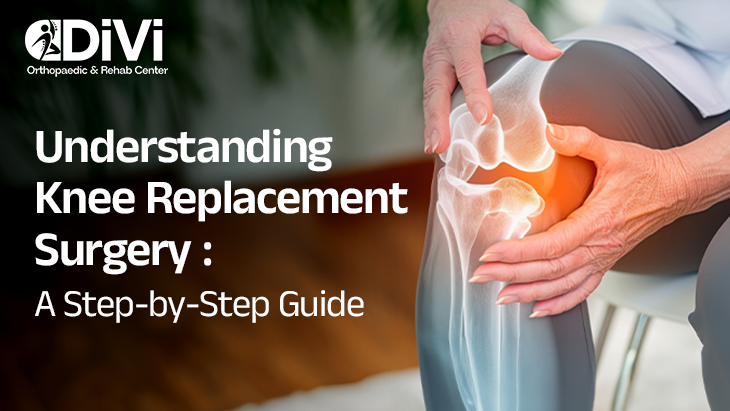
Knee replacement surgery is a medical procedure that involves removing the damaged parts of the knee joint and replacing them with artificial components. This process is also known as Knee arthroplasty. The new joint is usually made of metal along with plastic parts designed to replicate the natural function of the knee. Depending on the extent of damage, the surgeon may recommend a partial or total knee replacement (TKR).
Noticing the Right Warning Signs
People often delay surgery because they assume pain is part of ageing. That is not always true. The early signs you need knee replacement include swelling that does not go away, sharp pain while standing or a complete loss of flexibility in the joint.
In some people, the pain may shift to the other leg or lower back as the body tries to adjust. If you find yourself depending on support to walk or struggling with regular household work, it is better to get a professional opinion.
Step-by-Step Walkthrough of the Knee Replacement Surgery
The process begins with scans and blood tests. These help assess the damage and check whether your body is fit for surgery. If everything is in order, your doctor will explain the kind of knee replacement you need. In some cases, the procedure is done with smaller cuts and fewer stitches. This is called minimally invasive knee surgery (MIS). It usually leads to faster healing and less scarring.
In a standard approach, the entire joint surface is replaced. This is known as total knee replacement (TKR). The surgery is done under anaesthesia, and patients stay in hospital for a few days to rest and recover.
How Recovery Unfolds Over Time
The real work begins after the operation. That is because healing is not just about rest. The muscles around the joint need to be trained again. This is where physiotherapy after knee replacement becomes crucial. The physiotherapist helps you with movements that slowly bring back strength and balance.
You may start by moving the ankle or shifting your leg slightly. As days go by, these movements are increased under supervision. Each person heals at their own pace, but most people return to light routine in six to eight weeks.
What People Consider While Choosing a Hospital
Access to quality healthcare and experienced knee specialists is now widely available. While many patients look for advanced options such as knee replacement surgery in Mumbai, the real difference lies in the surgeon’s experience, the surgical approach, and the post-surgery care plan provided.
A Clear Path Towards Knee Pain Relief
Knee replacement is not just a last resort. It is a well tested solution that gives people their mobility back. Understanding the journey before and after knee surgery can reduce stress and improve your results. The more informed you are, the easier it becomes to take the first step.
If you are considering knee replacement or need expert guidance, consult Dr. Divyesh Bukalsaria, best knee replacement surgeon at Divi Orthopedic. A personalized evaluation and the right care plan can help you take the next step toward pain free movement.