Pain is not always dramatic. It often begins quietly and grows stronger as time goes on. With hip joints, the signs can feel subtle at first. However, as the damage increases, walking, sitting or even resting may start to feel uncomfortable.Over time, ongoing joint wear can limit daily movement and may eventually make hip replacement a consideration. That is why early awareness is important. Recognizing the symptoms can help you seek timely care and avoid unnecessary complications.
Understanding What Causes Hip Pain Over Time
The hip is built to handle pressure. With time, its structure can wear down due to repeated use or injury. When this happens, the cartilage inside the joint becomes thinner or damaged. The bones begin to rub against each other [without proper cushioning]. That friction creates pain, swelling and difficulty in moving.
These issues often begin with light aches or tightness. They are early hip osteoarthritis symptoms. Even simple actions like bending forward or standing too long can feel increasingly difficult if ignored. Some people notice a dull ache near the groin. Others feel like their hip is giving out when they stand. These changes are not always sharp or sudden, but they tend to grow worse over time.
Morning Stiffness and Limited Movement
A common early warning sign is hip stiffness in the morning. You may feel tightness in the joint as you get out of bed. In the beginning, this goes away after a few steps. But if it keeps coming back or lasts longer, it could mean the joint surfaces are already inflamed or damaged. If climbing stairs, wearing shoes or sitting for long periods starts feeling difficult, that is a reason to get checked.
Orthopedic Doctors often assess whether it is time to move from conservative care to surgical planning. Knowing when to consider hip replacement depends on how much the pain has started interfering with your everyday life.
Trying Non-Surgical Treatments First
Not every case needs surgery right away. People with early symptoms often begin with rest and therapy. Common hip arthritis treatment options [like pain-relieving medicine, joint pain injections or gentle movement exercises, walking aids and dietary changes] are included to reduce joint pressure. Some people benefit from targeted physiotherapy, which can improve muscle support around the joint.
Many patients explore non-surgical hip pain treatments in Mumbai. These may involve ultrasound guided injections, strength building and personalized movement planning. Such options help delay surgery or even avoid it when the damage is mild to moderate.
When Hip Replacement Surgery Becomes the Best Option
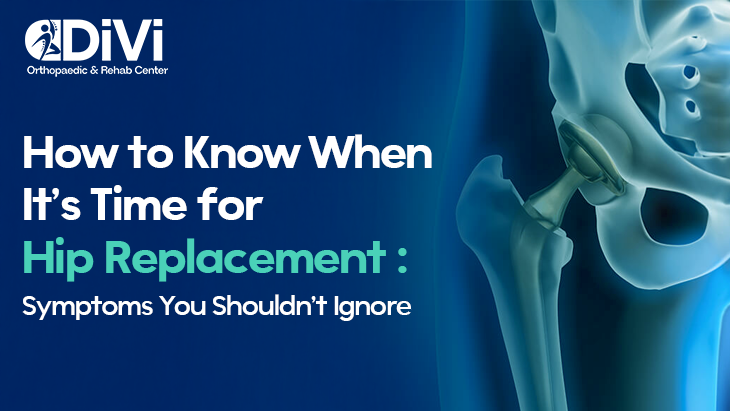
If pain continues despite therapy and medication, surgery might be necessary. The most effective method used today is total hip replacement surgery. The surgeon removes the worn parts of the hip and replaces them with artificial components that help restore balance and function.
Many people start searching for the best back surgeon in mumbai during this stage. Some may also come across referrals for names like Dr Divyesh Bukalsaria. What truly matters is the quality of care, the medical support team and your trust in the surgeon.
Moving Towards Relief With the Right Timing
Choosing surgery is never an easy decision. However, ignoring joint damage for too long can make recovery harder. If daily activities [like walking, dressing or resting] are affected by pain, it is better to act early. Knowing your body and recognising the signs gives you a head start in healing. With the right steps, you can take control of your movement and return to a more active life.