Living with hip pain is not easy. At first, you may notice some discomfort while walking or climbing stairs. Gradually, even simple activities like getting out of a chair, putting on shoes, or sleeping comfortably can become difficult. When medicines, physiotherapy, and other treatments fail to provide enough relief, hip replacement surgery may be considered.
But what exactly happens during this surgery? Does the entire hip get replaced? And how do you know when it is time to consider one? Let us understand the procedure in simple terms.
What Is Total Hip Replacement?
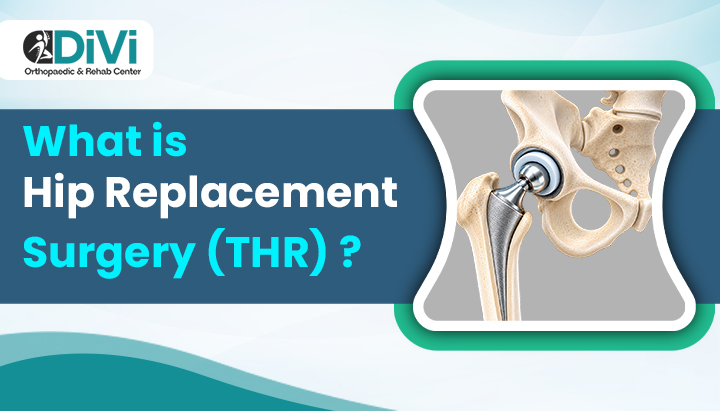
Total hip replacement, commonly called THR, is a surgical procedure in which the damaged parts of the hip joint are replaced with artificial components.
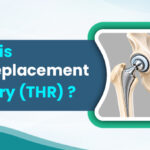
Your hip works much like a ball-and-socket joint. The rounded top of the thigh bone, called the femoral head, fits inside a socket in the pelvis. When arthritis, injury, or another condition severely damages these surfaces, movement can become painful and restricted.
During hip replacement surgery, the damaged femoral head is replaced with an artificial ball attached to a stem. The damaged socket is also prepared and fitted with an artificial cup. The purpose is to create a smoother joint that can move with less pain.
Is Hip Ball Replacement Surgery the Same as THR?
Not always. This is where patients can easily get confused.
In total hip replacement, both the ball and the socket are replaced. Hip ball replacement surgery, often referred to as hemiarthroplasty, generally replaces only the femoral head while retaining the natural socket.
The right procedure depends on factors such as the condition of the joint, type of injury, age, bone quality, and overall health. A proper orthopaedic assessment is needed before deciding which procedure is suitable.
What Are the Signs You May Need a Hip Replacement?
Having hip pain does not automatically mean that you need surgery. Many hip problems can initially be managed through medicines, physiotherapy, lifestyle changes, or other non-surgical treatments.
Some common signs you need hip replacement surgery may include:
- Persistent hip or groin pain
- Difficulty walking or climbing stairs
- Pain that disturbs sleep
- Increasing stiffness in the hip
- Difficulty performing normal daily activities
- Little or no relief from non-surgical treatment
The decision is usually based on how severely the condition affects your mobility and quality of life rather than pain alone.
What Is MIS Technique Hip Replacement?
The MIS technique hip replacement uses smaller surgical approaches with the aim of reducing damage to surrounding soft tissues. Depending on the patient and surgical approach, this may support early mobility and recovery.
Still, minimally invasive surgery is not automatically the right option for every patient. The surgeon needs to consider your anatomy, diagnosis, medical history, and complexity of the joint problem before recommending a technique.
How Long Does Recovery Take?
Recovery after THR happens gradually. Patients are generally encouraged to start moving under medical supervision soon after surgery. Physiotherapy then helps restore strength, balance, and movement.
Your recovery period can depend on your age, general health, surgical technique, muscle strength, and how closely you follow the rehabilitation programme. Rather than comparing your recovery with someone else’s, focus on the milestones recommended by your surgical and rehabilitation team.
Choosing the Right Hip Replacement Surgeon in Mumbai
If you are searching for the best hip replacement surgeon in Mumbai, look beyond a single title. Consider the surgeon’s qualifications, experience with hip procedures, approach to diagnosis, surgical options, hospital affiliations, and rehabilitation planning.
Similarly, when looking for the best hip replacement surgeon in Andheri West, choose a specialist who can explain whether surgery is actually required and which treatment approach suits your condition.
At Divi Orthopaedic & Rehab Center, Dr. Divyesh Bukalsaria specialises in hip and knee treatment, including minimally invasive and robot-assisted joint replacement procedures. Patients can receive support from diagnosis and treatment planning through rehabilitation, with the aim of reducing pain, restoring mobility, and helping them return to an active life.