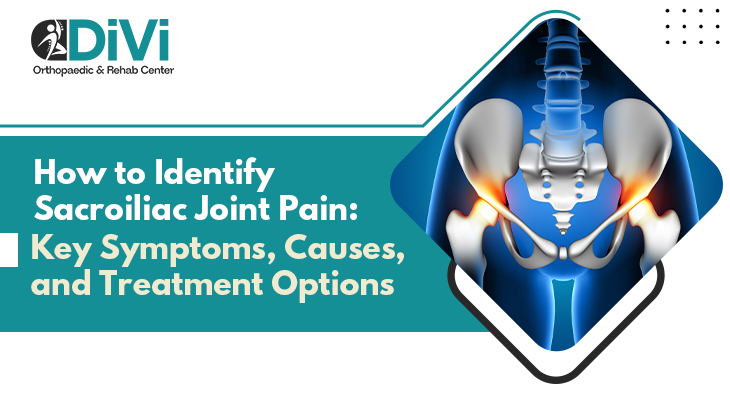
You sit down after a long day, and something feels off in your lower back. Not sharp, not exactly dull either. Just there. You shift your position, thinking it will go away, but it doesn’t. That is usually where the confusion begins. Most people assume it is regular strain, but in many cases, it turns out to be sacroiliac joint pain.
Understanding Where The Pain Actually Comes From
The sacroiliac joint sits quietly where your spine meets your pelvis. It does not get much attention, yet it handles a surprising amount of load every single day. Walking, standing and even turning in bed involve this joint in some way.
When this area gets irritated, the body reacts in subtle ways. That is when sacroiliac joint dysfunction starts to develop, often without any obvious injury or incident.
The Signs People Usually Miss
This is where things get tricky. The common symptoms of sacroiliac joint pain rarely announce themselves clearly. They blend in with other types of discomfort, which is why many people ignore them for weeks.
You may notice small changes before anything serious happens.
- A tight feeling on one side of the lower back that does not fully settle.
- Pain that appears when you stand up after sitting for a while.
- A strange pulling sensation that moves towards the hip or upper leg.
- Stiffness that feels worse in the morning, then eases slightly during the day.
Individually, these may not seem alarming. Together, they often point towards sacroiliac joint pain.
Why It Feels Different From Regular Back Pain
At first, it is easy to mix this up with a standard back issue. But if you pay attention, there are differences. The way your body reacts tells you more than the pain itself.
With sacroiliac joint pain vs typical back pain, the key difference lies in movement. Regular back pain often settles with rest. This one behaves differently. You may feel worse when switching positions or putting weight unevenly on your legs.
It is not always intense, but it is persistent. That is what confuses most people.
What Usually Triggers The Problem
There is rarely one clear reason. Sometimes it starts after a minor fall. Other times, it builds up slowly due to posture habits that go unnoticed for years.
Another factor is inflammation. Such disorders as sacroiliitis may provoke the joint and cause persistent pain. Other than that, joint stability can be influenced by the long hours of sitting, the abrupt physical strain or even changes during pregnancy.
Over time, these factors lead to sacroiliac joint dysfunction, where the joint no longer moves or supports weight as it should.
How Doctors Figure It Out
One of the reasons this condition is often missed is that scans do not always show it clearly. That is why diagnosis depends more on how your body responds during specific movements.
Doctors may guide you through simple actions like bending or lifting one leg at a time. If those movements recreate the same pain, it helps narrow things down. It is not dramatic testing, but it is effective.
What Actually Helps In Recovery
The good part is that treatment does not always involve complex procedures. In many cases, simple steps taken early can make a noticeable difference.
A systematic treatment, such as physiotherapy, of the sacroiliac joint pain is usually suggested. It is concerned with the restoration of muscle balance around the joint. This decreases pressure and enhances stability over time.
Along with this, small lifestyle changes also matter. Sitting posture, daily movement habits, and even how you sleep can influence recovery more than expected.
When You Should Stop Ignoring It
A lot of people wait for the pain to become severe before taking action. That usually makes things harder to manage later.
If discomfort stays for weeks or if you start adjusting your movements to avoid pain, it is time to take it seriously. Repeated stiffness or difficulty while walking are also signs that should not be brushed aside.
You may want to consider having a proper check-up in case you have been having lower back pain that cannot be attributed to anything. Divi Orthopaedic & Rehab Center, led by Dr. Divyesh Bukalsaria, is worried about the correct diagnosis and planned treatment to cure such conditions at the root.